
In July 2026, the UK Parliament’s Education Committee published its report on Reading for Pleasure, following an inquiry into the decline in children and young people’s reading. The report makes it clear that reading for pleasure is far more than simply enjoying a good book. It can support academic attainment, wellbeing and empathy, while helping children develop a lifelong relationship with reading. As stated by the Open University, reading for pleasure has ‘considerable power and potential’.
‘Joy must lead the way’
One of the report’s most important messages is that reading for pleasure and reading proficiency should go hand in hand. The Committee argues that enjoyment should not be seen as an extra or something that comes after children have learned the technical skills of reading. In the early years, it goes further, concluding that ‘joy must lead the way’ and that children need positive experiences of books and stories alongside formal teaching.
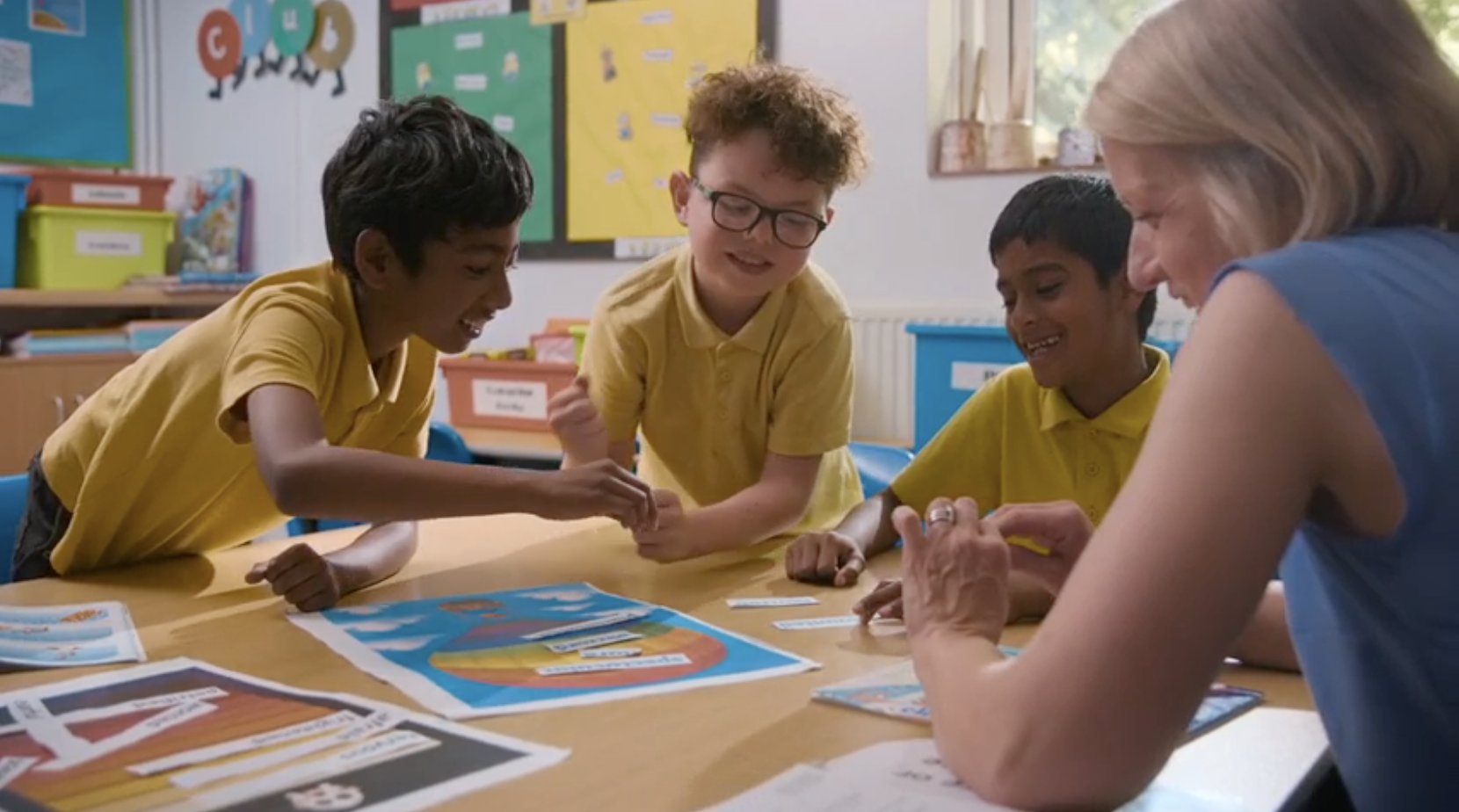
This is particularly important to us at The Children’s Literacy Charity. Reading for pleasure is integral to our programmes. We provide children with specialist support to develop the foundational literacy skills they need to access books and the wider curriculum, but we also want them to experience the enjoyment, curiosity and sense of discovery that can make reading meaningful.
The inquiry also highlights the importance of high-quality and diverse books, oracy, parental engagement and targeted support for disadvantaged children and children with SEND which all areas that are reflected in our work. Our Story Lab programme, for example, uses stories and shared reading to develop language and communication in the early years, while our Literacy and Reading Labs combine specialist literacy teaching with engaging, carefully selected books and opportunities for children to talk about and respond to what they read.
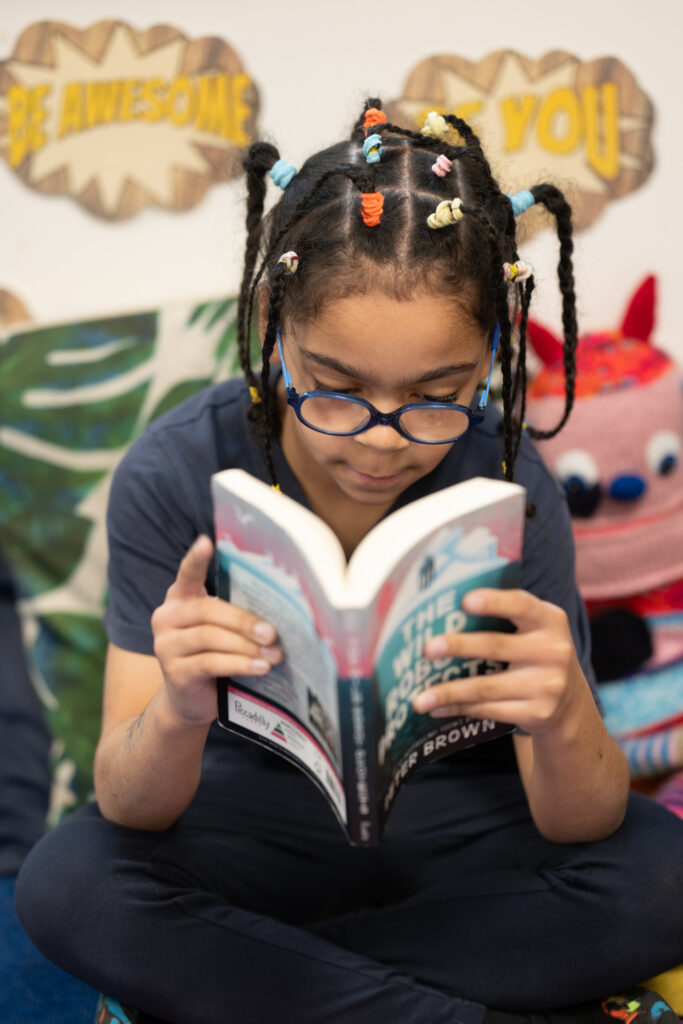
We were particularly pleased that The Children’s Literacy Charity was referenced in the Committee’s report. In our evidence, we highlighted the importance of creating time in school for children to immerse themselves in books, as well as the value of book-gifting in encouraging children and families to engage with reading. We see this every day through our Story Lab programme, where the books children receive to take home have generated real enthusiasm among both children and parents. The report also recognises the valuable role that charities and community organisations can play in building a stronger culture of reading for children and families.
The inquiry also welcomes the National Year of Reading but stresses that building a stronger reading culture requires sustained commitment, recommending a National Decade of Reading. This is something we have embraced through our Author of the Month programme, giving children regular opportunities to discover new authors, books and stories and to celebrate reading for pleasure.
For us, the inquiry reinforces a fundamental principle, that children need both the skills to read and the desire to read. Developing confident, capable readers and helping children discover the joy of books should not be separate goals. They are mutually reinforcing and both are essential if we want children to become enthusiastic, lifelong readers.