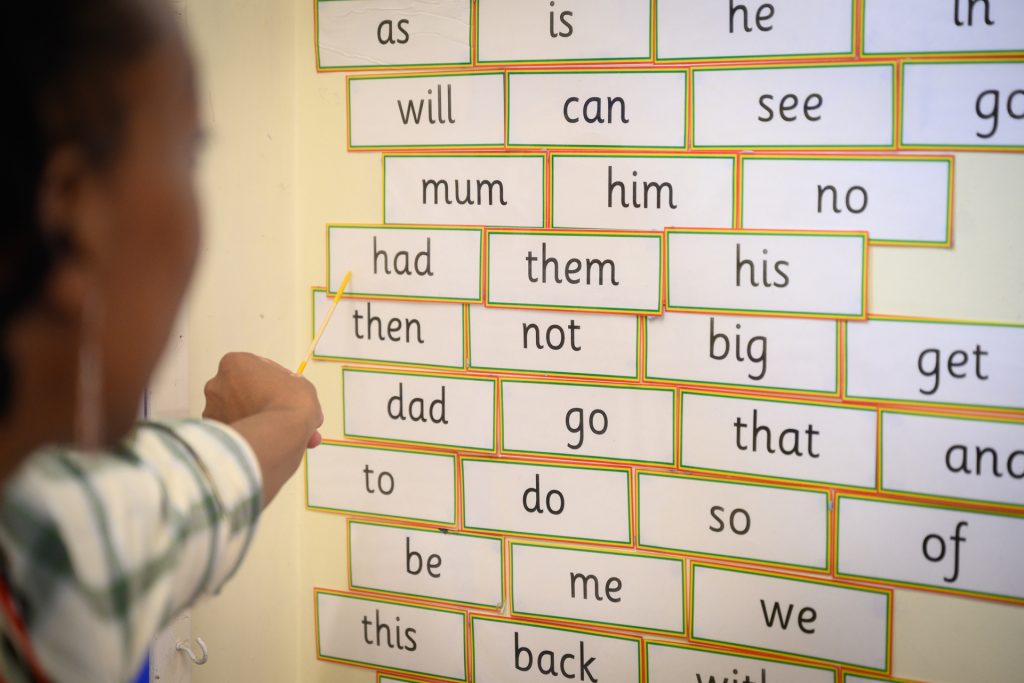
Phonics is a way of teaching children to read and spell by helping them understand the link between letters and the sounds they make. In English, each letter or group of letters represents a sound. For example, s makes a /s/ sound, and sh makes a /sh/ sound. When children learn phonics, they are taught to:
- Recognise sounds in spoken words.
- Match those sounds to the letters that represent them.
- Blend the sounds together to read new words.
- Segment words into sounds to help with spelling.
Phonics gives children the tools to “sound out” unfamiliar words, helping them become confident, independent readers. It is used in all UK primary schools as part of early reading and writing lessons.
In most phonics schemes used in the UK, children are taught that there are around 44 sounds in the English language. Different phonics schemes might show the sounds in slightly different ways, but they all teach children to recognise these sounds and use them to read and spell words.
Your child’s school will be able to give you information on the phonics scheme that they are using and the sounds that your child is learning. When your child is learning to read, their school should give them phonetically decodable books to bring home and read with you. These books use words that can be read by sounding out the phonemes and blending them together.
Go to our phonics glossary to find out find out the meanings of some of the words used to talk about spelling.