World Book Day 2026

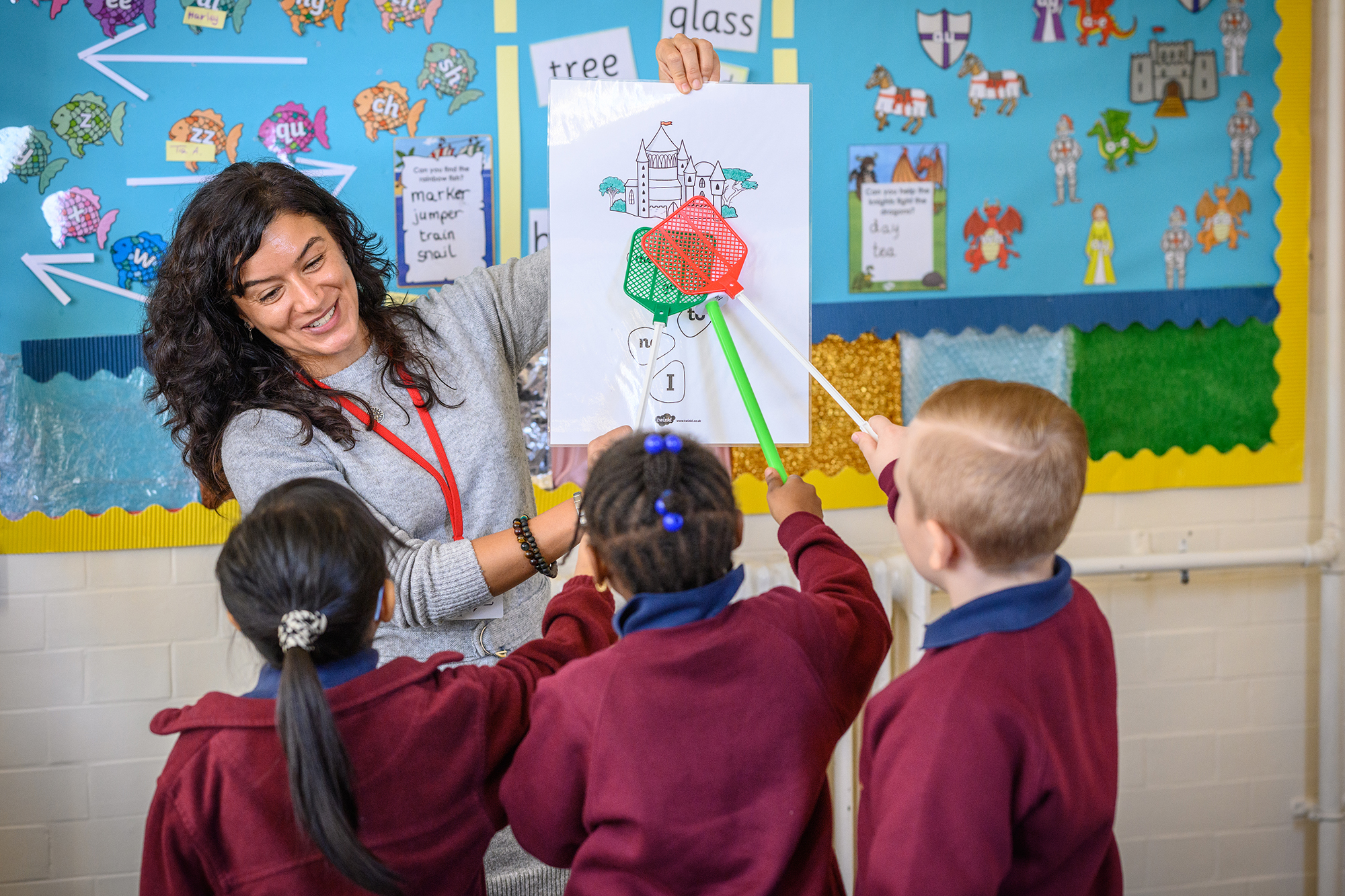
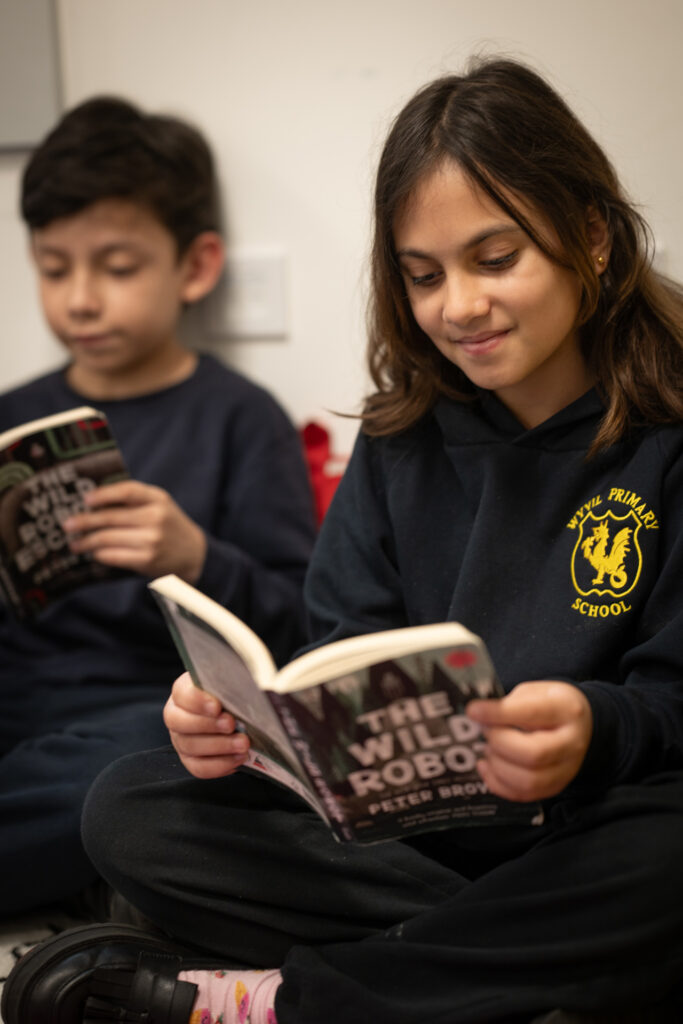
World Book Day offers our tutors a fantastic opportunity to celebrate books and reading with the children in our Literacy Labs and Reading Labs.

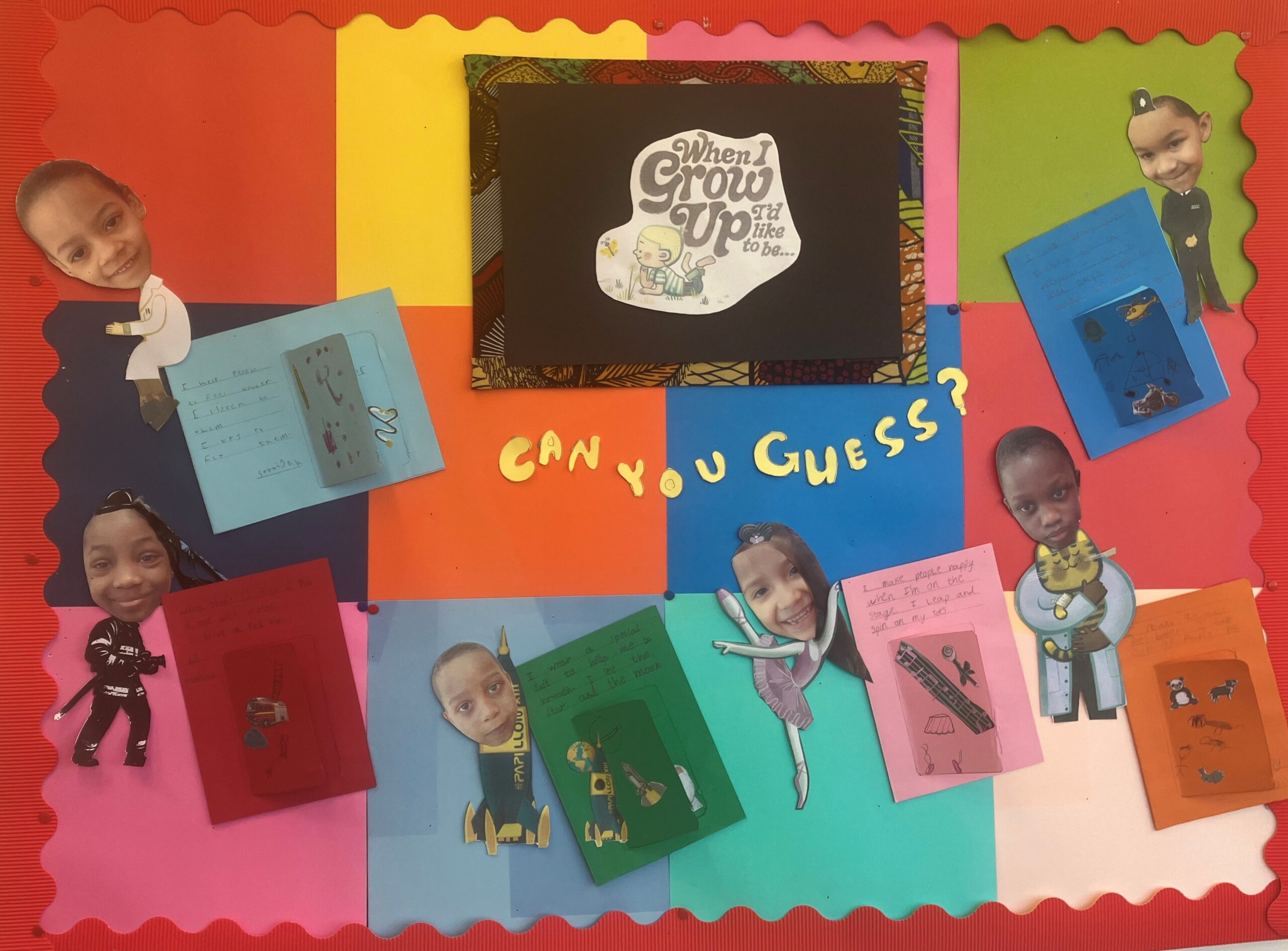
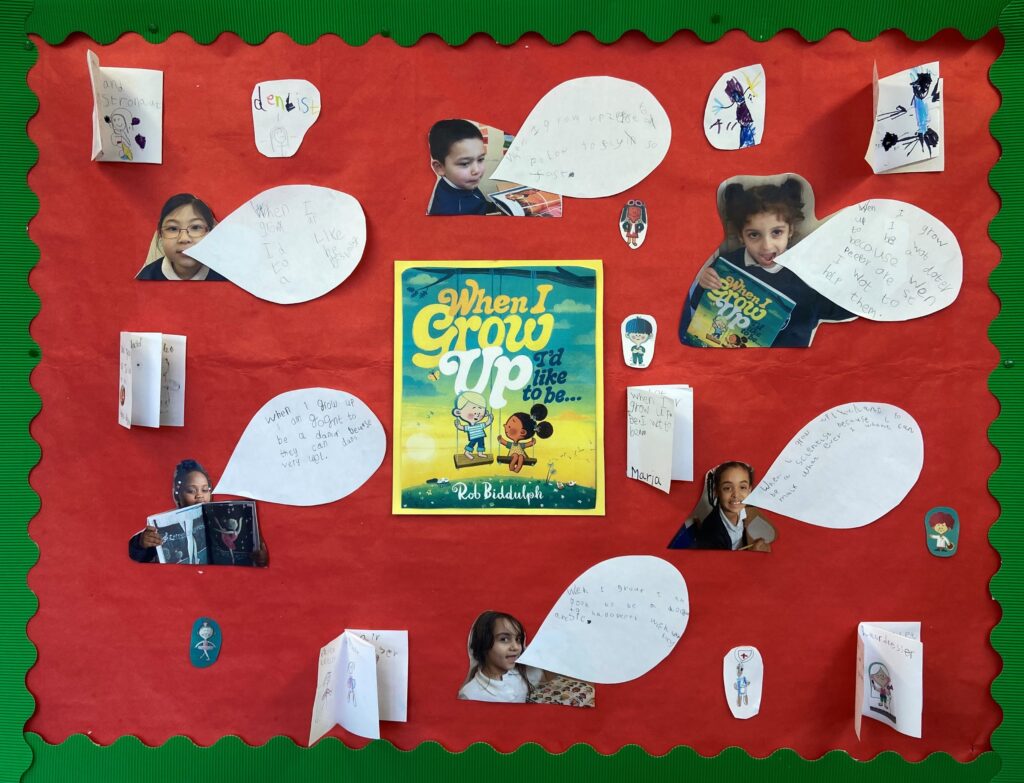
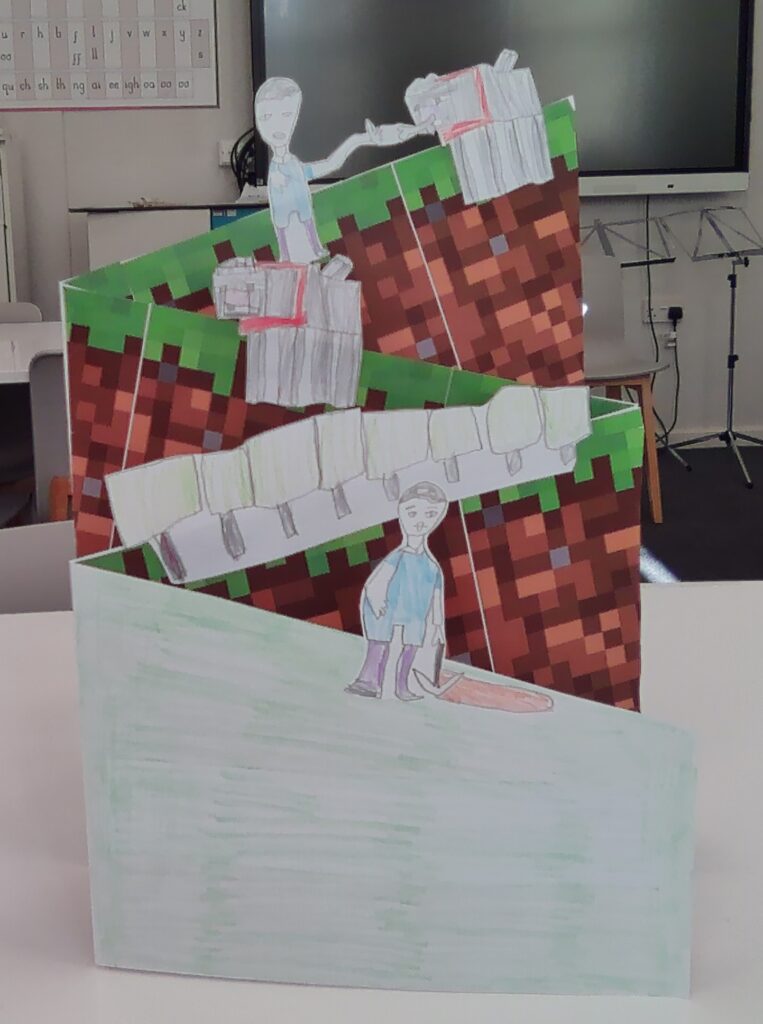
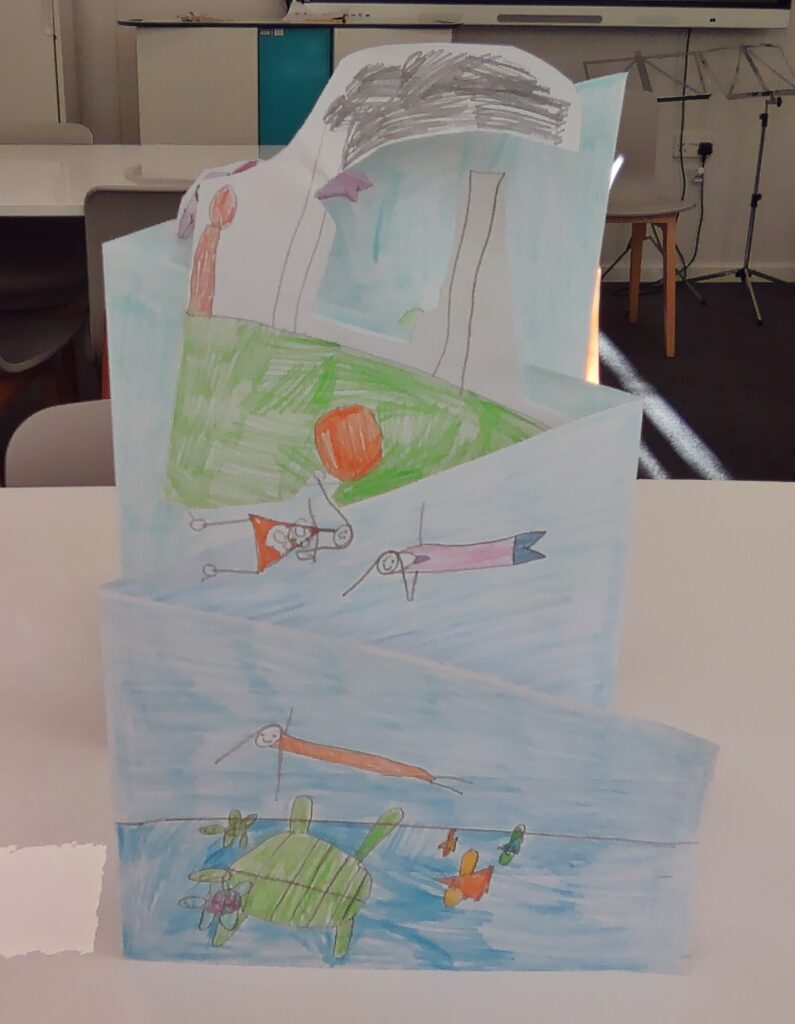
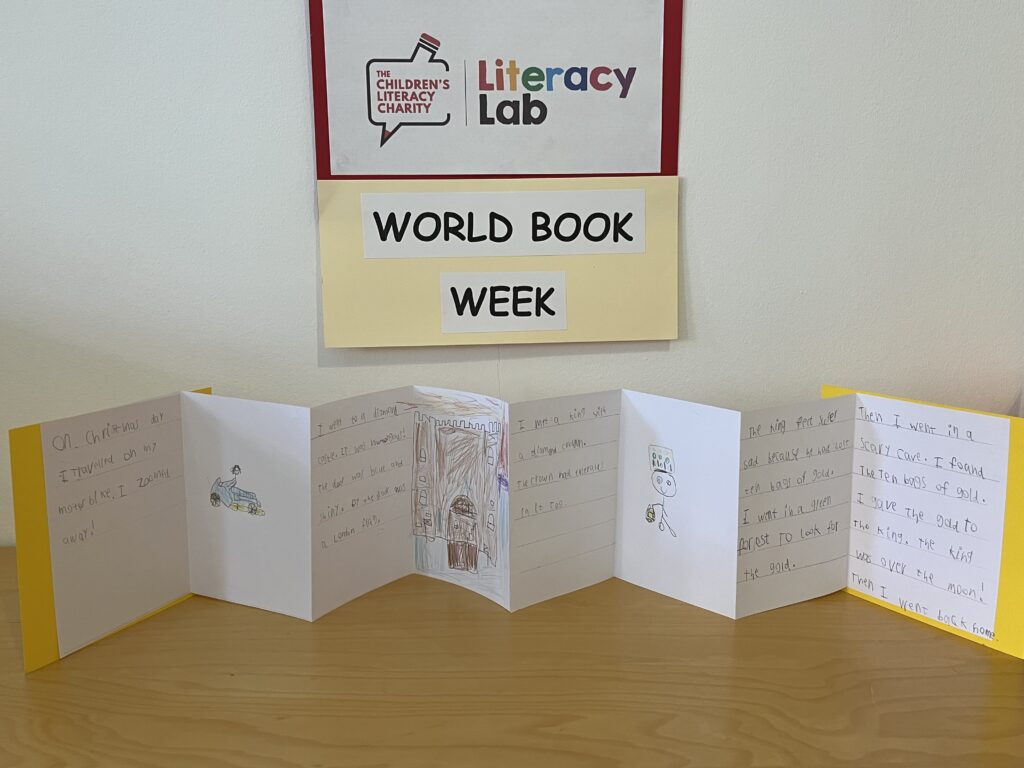
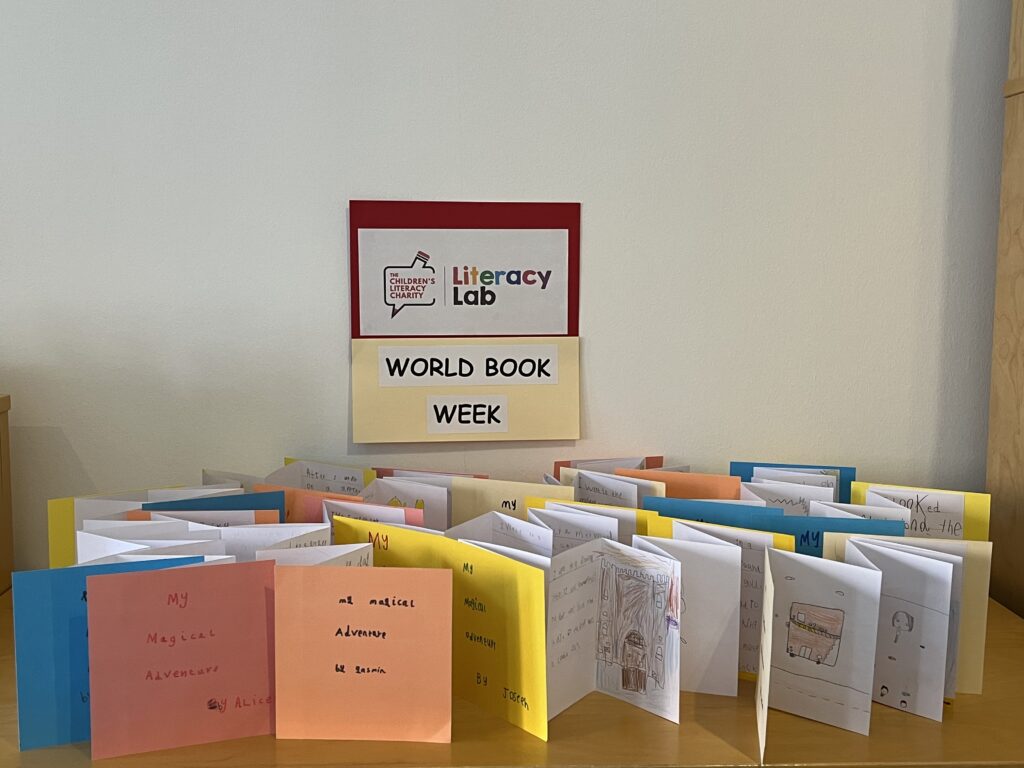
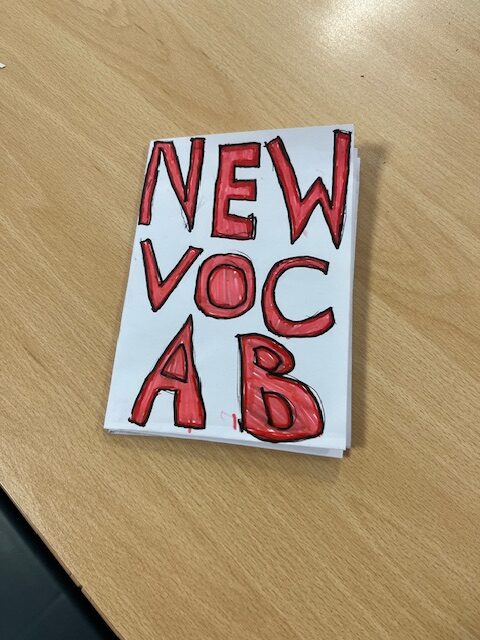
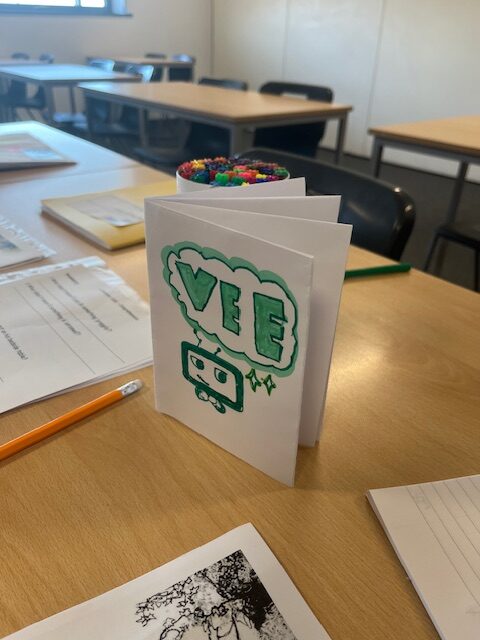
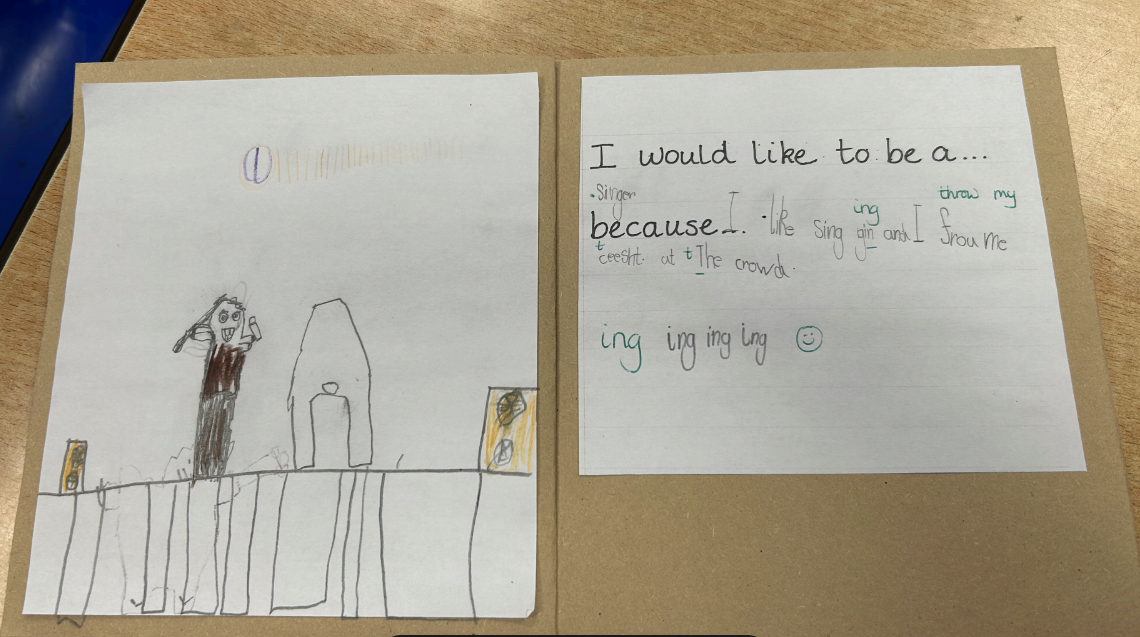
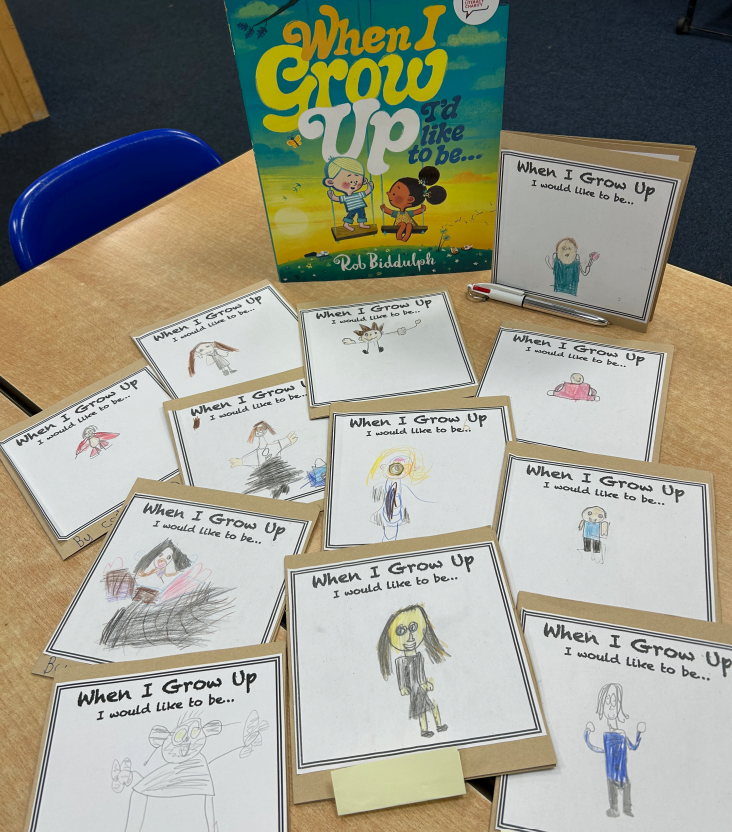
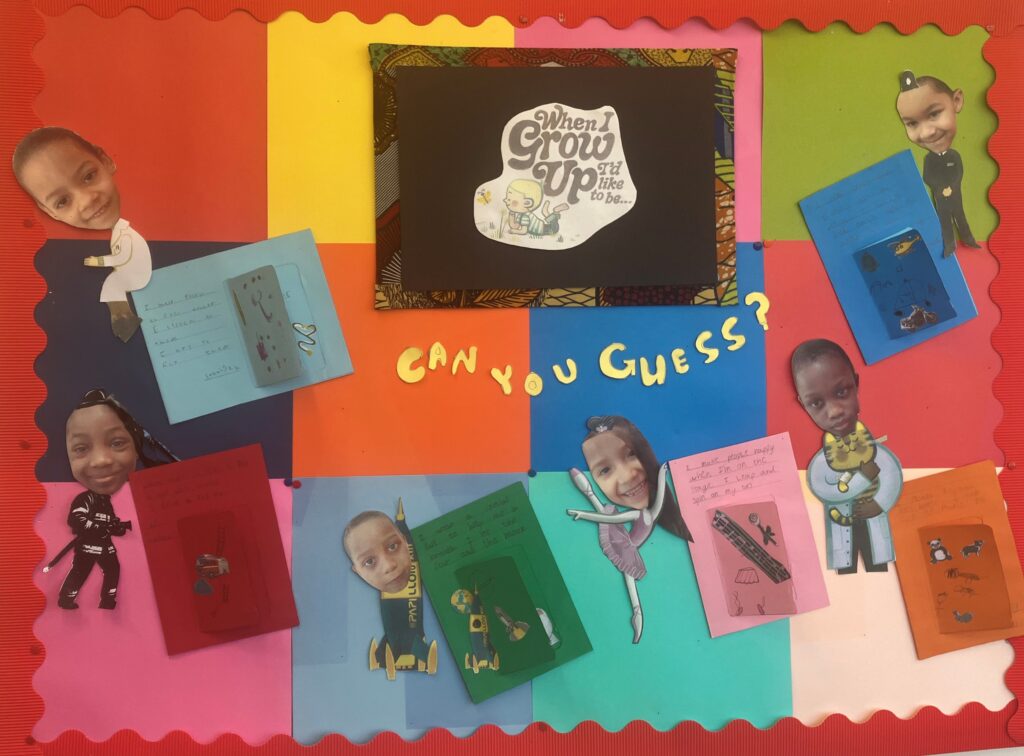
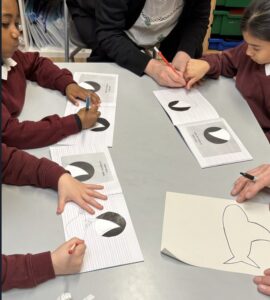
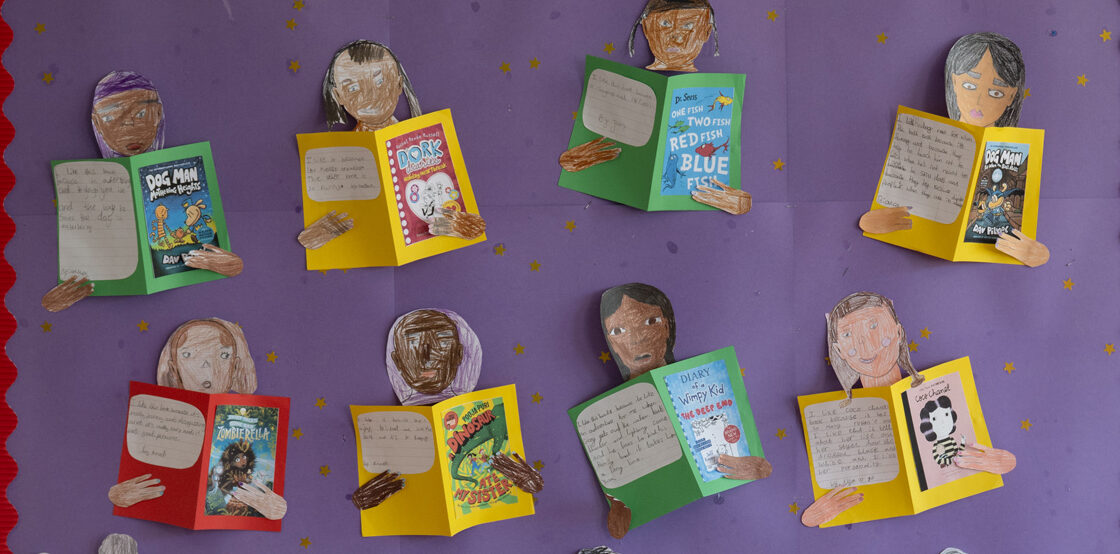
The children have been using the book ‘When I Grow Up I’d LIke to Be…’ as inspiration for their work this month. Its author Rob Biddulph is our Author of the Month for March, to conincide with World Book Day, and his book has been inspiring the children to make their own books, imagining what they would like to do when they are older.

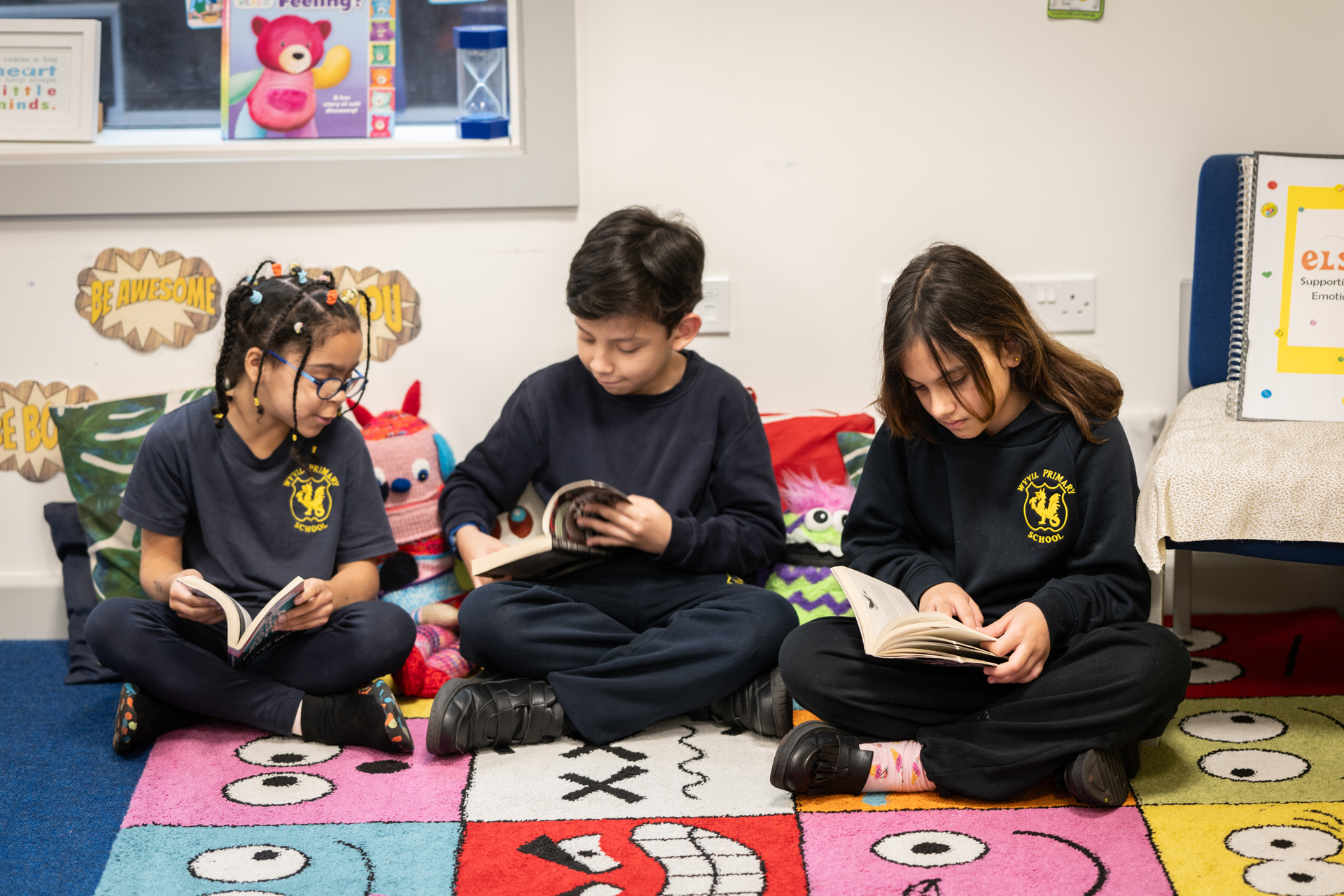
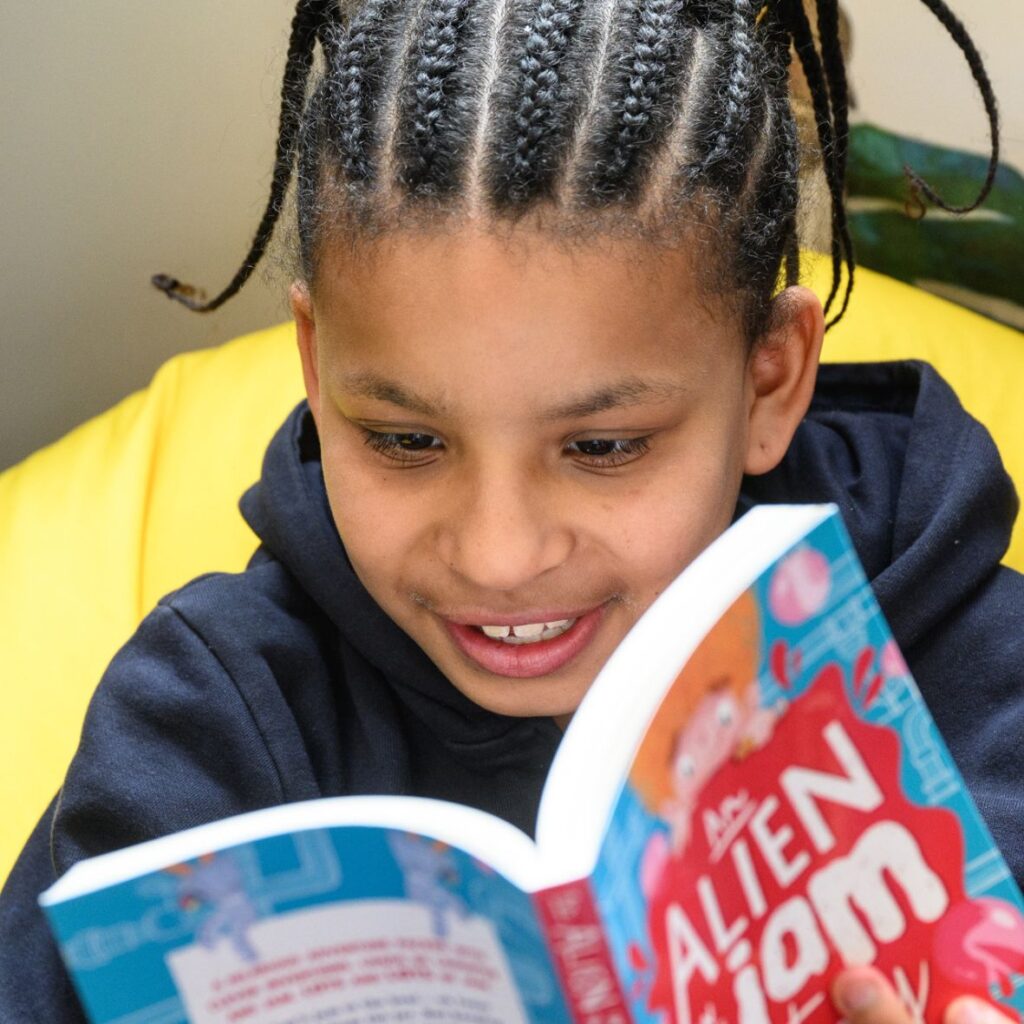
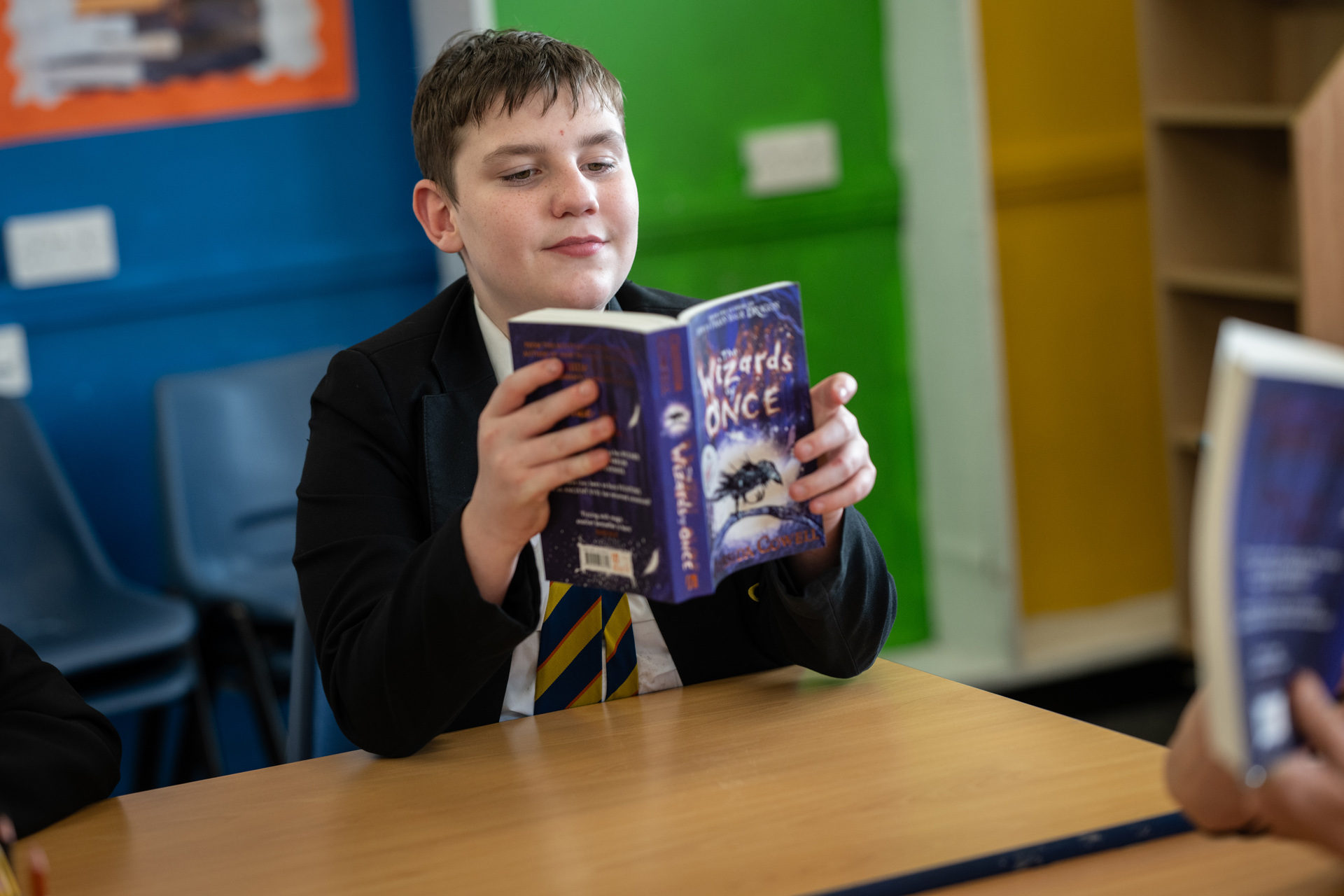
The children have been making their own books, full of big dreams about what they would like to be when they are older. These are some photos from Wyvil Primary School, Holyhead Primary School, Bird in Bush Primary School, Sowe Valley Primary School and Orion Eden Park Secondary School.

New Family Learning pages go live

Launch of our new Literacy Learning Resources to support Reading at Home

We are excited to share the launch of a new, dedicated Family Learning section of our website. Building on the education expertise of the charity, this new section has been specially developed to support families in helping their children develop strong reading, writing and communication skills.

Encouragement at home plays a vital and irreplaceable role in children’s learning but sometimes, parents are unsure as to how best to help their child. These new Family Learning pages provide a comprehensive guide to supporting children on their literacy journey, bringing together practical advice, engaging activities and reassuring guidance to help parents and carers feel confident supporting their child.

Click on these links to explore our new Family Learning webpages:

The carefully curated literacy content drawn from a wide range of sources includes ideas to encourage reading for pleasure, tips for building vocabulary, fluency and confidence, and activities that fit easily into everyday family life. They are designed to be clear, welcoming and accessible, with a focus on making literacy enjoyable. As well as bringing information on all the core literacy skills together in one place, there are also helpful links to other online resources, including videos and games which provide constructive options for screentime.

“Our online literacy resources are designed to support the full range of literacy development, from early language and communication through to reading, spelling, and writing. They are accessible and engaging for children of all ages, and give parents clear, supportive ways to reinforce learning at home. The goal is to help families strengthen the foundations that underpin literacy, while keeping learning enjoyable and meaningful.”
Julie Taylor, Education Lead at The Children’s Literacy Charity

With thanks to our corporate partner Stellantis UK who has so generously helped to fund the development of this new resource.

Reading fluently unlocks reading for pleasure

Why reading for pleasure matters, and why literacy skills must come first

Education Lead Julie Taylor writes:

The Children’s Literacy Charity recently submitted evidence to the Education Select Committee as part of its Call for Evidence on Reading for Pleasure. While a love of reading underpins all of The Children’s Literacy Charity’s work, it is through the support of our expert tutors that pupils in our Labs develop the reading fluency and confidence needed to access, engage with, and enjoy books.

Reading for pleasure brings wide-ranging benefits for babies, children, and young people. From the earliest years, shared reading supports emotional bonding, early language development and attention, while creating positive associations with books that can last a lifetime. As children grow, reading for pleasure plays a crucial role in expanding vocabulary, strengthening comprehension, building empathy, supporting learning across the curriculum, and improving confidence and mental wellbeing.

However, National Literacy Trust research shows a worrying decline in children’s enjoyment of reading. Only around one-third of children and young people aged 8–18 say they enjoy reading in their free time, and fewer than one in five read daily, the lowest levels recorded in almost two decades. These figures highlight the fact that reading for pleasure is not equally accessible to all.

For many children, particularly those who are disadvantaged or have additional needs, if they do not have those secure foundational reading skills, reading for pleasure is unattainable. Without accurate decoding, fluency, and comprehension, reading remains slow and challenging, leaving little cognitive space for enjoyment. In these circumstances, reading can become a source of frustration rather than pleasure.

Children cannot read for pleasure if they cannot read fluently. For children who are already experiencing difficulties with reading, specialist literacy support is vital.

By securing the essential literacy skills first, we give children the confidence and independence they need to engage with books, develop positive reading identities, and experience reading as something enjoyable rather than a chore.

When we succeed in closing the literacy gap, reading for pleasure can flourish, helping to narrow the attainment gap, support wellbeing, and open up life chances for every child.

A visit from Nick Sharratt

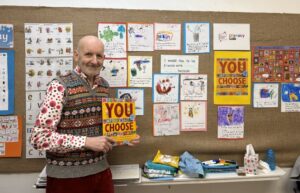
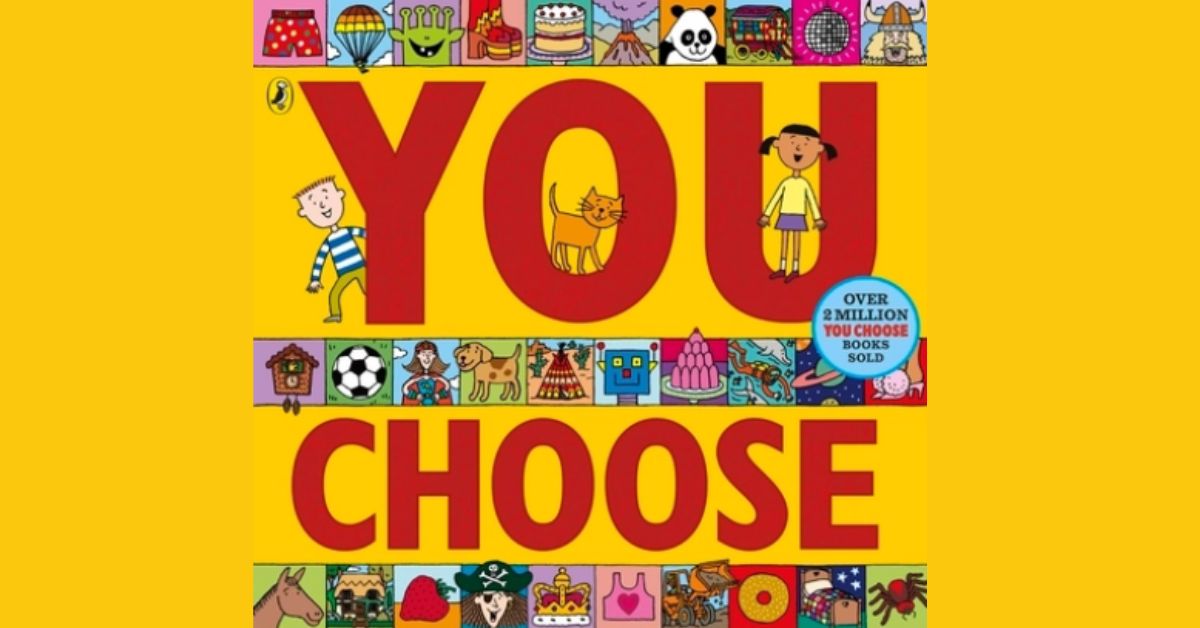
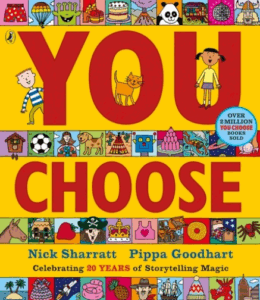
Nick Sharratt is our National Year of Reading Ambassador and launched our programme of events as Author of the Month for January. Across all our Literacy Labs, pupils have been using his book You Choose as a core text for rich oracy and writing activities, designed to strengthen spoken language, ideas, and writing confidence.

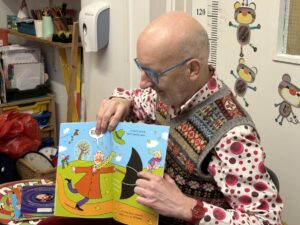
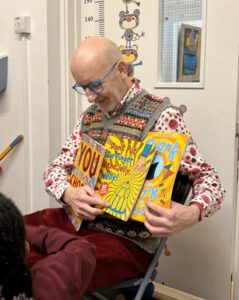
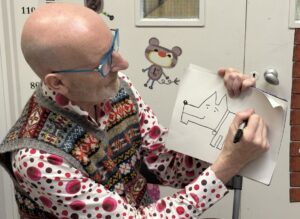
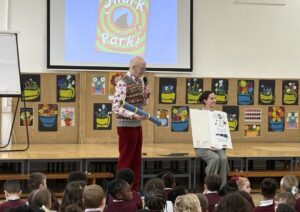
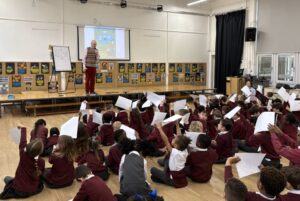
We were thrilled to be able to take Nick on a visit to our Literacy Lab at St James’ Primary school, Bermondsey where he read from one of his stories, chatted to the children about what they enjoy in Literacy Lab and looked at examples of the children’s work. He then taught them to draw a lion and a shark, and the children’s drawings inspired Nick to adapt his drawings and he added eyelashes to his lion! The children proudly showed Nick their work that they have done using ‘You Choose’.

Nick also took part in an assembly for the whole school, where he taught the children to draw two characters from his books and read the story Shark in the Park.

His visit was thoroughly enjoyed by all the children and they asked him some very thoughtful questions about being an author and illustrator. 

Nick Sharratt launches the National Year of Reading for The Children’s Literacy Charity

We are delighted that Nick Sharratt is The Children’s Literacy Charity’s ambassador for the National Year of Reading 2026. Nick has written many beloved picture books, and we know that his playful creativity and colourful characters will be invaluable in encouraging a lifelong love of reading among the children we support.

In this video he talks about our plans for the National Year of Reading and reads aloud from his book Caveman Dave.

Click here to watch the video.

While our charity’s focus is on specialist tuition across all the important literacy skills, reading engagement and the joy of stories are central to everything that we do and we are delighted to be one of the supporting partners of the National Year of Reading 2026, a Department for Education campaign delivered by the National Literacy Trust.

We have an exciting programme planned over the next 12 months. Each month an Author of the Month will be visiting our partner schools, taking part in assemblies and making videos for the children to watch. With reading engagement declining every year, we will be working together with brilliant authors to encourage children to see reading as a relevant, modern and social activity, and spark the magic of stories in their lives.

Give the gift of books this Christmas


We would love to create a lending library in each of our Reading Labs, so that children can take the magic of reading home.

Since our Reading Lab ‘catch up’ programme was launched, we have helped thousands of children make significant progress with their literacy, engage with reading and grow in confidence. The children often ask us if they can borrow the books we use so this Christmas we are launching an appeal to help us create lending libraries in every single Reading Lab in 2026.

Please click here to donate to us and help us create lending libraries in our Reading Labs.

Introducing our National Year of Reading Ambassador

Children’s Author and Illustrator Nick Sharratt to be our National Year of Reading Ambassador

Like many literacy charities and reading organisations across the UK, we are busy preparing for the National Year of Reading 2026. This Department for Education campaign, delivered by the National Literacy Trust, seeks to address the decline in reading among children and adults. Just one in three children aged 8–18 say they enjoy reading.

While our charity’s focus is on specialist tuition across all the important literacy skills, reading engagement and the joy of stories are central to everything that we do and we’re delighted to be supporting partners of this initiative.

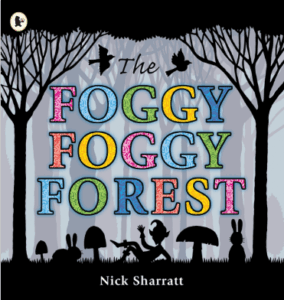
We also place great store by working with children’s authors whenever we can and we’re equally delighted to announce that the author and illustrator Nick Sharratt will be our Ambassador for the National Year of Reading. Nick’s work is inspirational and we feel sure that his playful creativity, colourful characters, and books such You Choose and The Foggy Foggy Forest will be invaluable in encouraging a lifelong love of reading among the children we support.

“Engaging with books at an early age and reading for pleasure as a youngster brings many important advantages in future years. The message of the National Year of Reading 2026 is that no one should be missing out on the benefits of reading and the literacy skills that come with it – an outlook that is at the heart of The Children’s Literacy Charity’s amazing school programmes. I’m really looking forward to my role as ambassador for the charity and working with them in the exciting year ahead. “  
Nick Sharratt

Find out more at the National Year of Reading’s new website, www.goallin.org.uk. We look forward to sharing more updates on our plans in 2026.

Tackling rising SEND Needs – A view from our Education Lead Julie Taylor

How early, adaptive tutoring, tailored to specific needs can make a difference.

Across England, the ongoing SEND crisis has left schools, local authorities, and families navigating a system under strain. Rising levels of need, coupled with stretched funding and staff shortages, have created an educational landscape where even the most talented and committed practitioners are struggling to ensure that every child receives targeted and personalised support.

In the Department for Education’s 2024/25 report, Special Educational Needs in England, over 1.7 million pupils are identified as having special educational needs. Nearly one in five pupils now receives some form of SEN support, a 20% rise since 2015/16, reflecting a marked increase in diagnoses of autism, ADHD, and speech, language and communication needs, alongside a 104% increase from 2015/26 in pupils with Education, Health and Care Plans (EHCPs).  (House of Commons Education Committee (2025) Solving the SEND Crisis: Report of the Education Committee.)

With more pupils awaiting EHCPs, limited access to in-school specialist support, and growing administrative pressures on SENCOs, mainstream schools are struggling to meet the needs of children with SEND.  The Education Committee’s Solving the SEND Crisis report, published this October, points to ‘insufficient funding, expertise and systemic support’ and states that SEND ‘must become an intrinsic part of the mainstream education system, rather than an addition to it,’ and that right now inclusion is an ‘aspiration rather than a reality’.

As an external specialist literacy intervention provider, this reality presents both urgency and challenge: over 30% of the children referred to our Key Stage One Literacy Lab programme are on the Special Needs register and this does not include those children who are yet to be diagnosed.  In fact, our tutors report that in many cases, schools make referrals because they know the child is struggling, though the underlying reasons for the referral have not yet been identified.

A rigorous approach to understanding the individual needs of every child and delivering personalised support is fundamental to good, inclusive practice. However, the growing pressure on schools to meet increasingly complex learning needs makes this ever more challenging.  Many children wait too long for specialist assessment or formal plans, yet if schools provide the right intervention at the earliest stage, this could transform outcomes.  

“At Hollydale, we’ve seen a rise in pupils with additional needs in reading and writing, and Literacy Lab and Story Lab have been transformative in supporting them. Their nurturing, evidence-based approach has strengthened pupils’ confidence, engagement, and wellbeing, while securing clear progress in reading, writing, and oracy. These interventions have been instrumental in ensuring that the gap for our most vulnerable learners continues to close.”

 Reema Reid, Headteacher, Hollydale Primary School

The detailed findings and recommendations in the Education Committee’s report make for sobering reading:  support in the early years sector is significantly under-resourced, underfunded and inconsistently available, resulting in a failure to deliver at a critical stage for the early identification of children’s needs. Investment in early years provision is required to ensure that practitioners are adequately equipped with the skills, resources, and capacity to identify needs promptly, provide appropriate and effective support, where possible, mitigate the escalation of more complex needs in later childhood. As the report highlights, “We know that early intervention prevents unmet needs from escalating… getting it right in the early years is essential to supporting children’s development, health and life chances”. (DfE).

The learners we support present a broad spectrum of needs from dyslexia and speech, language and communication difficulties to SEMH, ASD, and ADHD, all requiring skilled, adaptive teaching approaches tailored to their specific needs. Our tutors work closely with schools to understand each child’s unique literacy needs.  Our holistic, evidence-based approach equips tutors with a diverse toolkit of resources and techniques so that lessons can be planned and delivered to meet the specific needs of each and every child referred.  As well as strengthening core literacy skills, we go beyond reading support, placing oracy at the heart of the learning journey, believing that without a secure foundation in oral language, children lack the vocabulary and conceptual understanding needed to become fluent readers and confident writers.

In supporting children with diverse needs, we know that while systematic phonics has transformed early reading for many, not every child flourishes with a rigid phonics scheme. We have therefore evolved different methodologies: some children benefit from approaches that weave phonics into meaningful literacy experiences, such as analytic or speech-to-print methods that begin with spoken language and real words rather than abstract drills, or multisensory techniques that help children see, hear, and feel sounds as they learn. Others respond best when phonics is embedded in rich, contextual reading, connected to vocabulary, comprehension, and fluency practice. By using these evidence-informed methods, our tutors can make phonics more flexible, inclusive, and responsive to the diverse ways that children learn to read.

Helping schools to address SEND needs is a critical part of what we do as a literacy intervention specialist, equipping all children, irrespective of need, with the skills necessary to make positive and sustained progress in the classroom.