
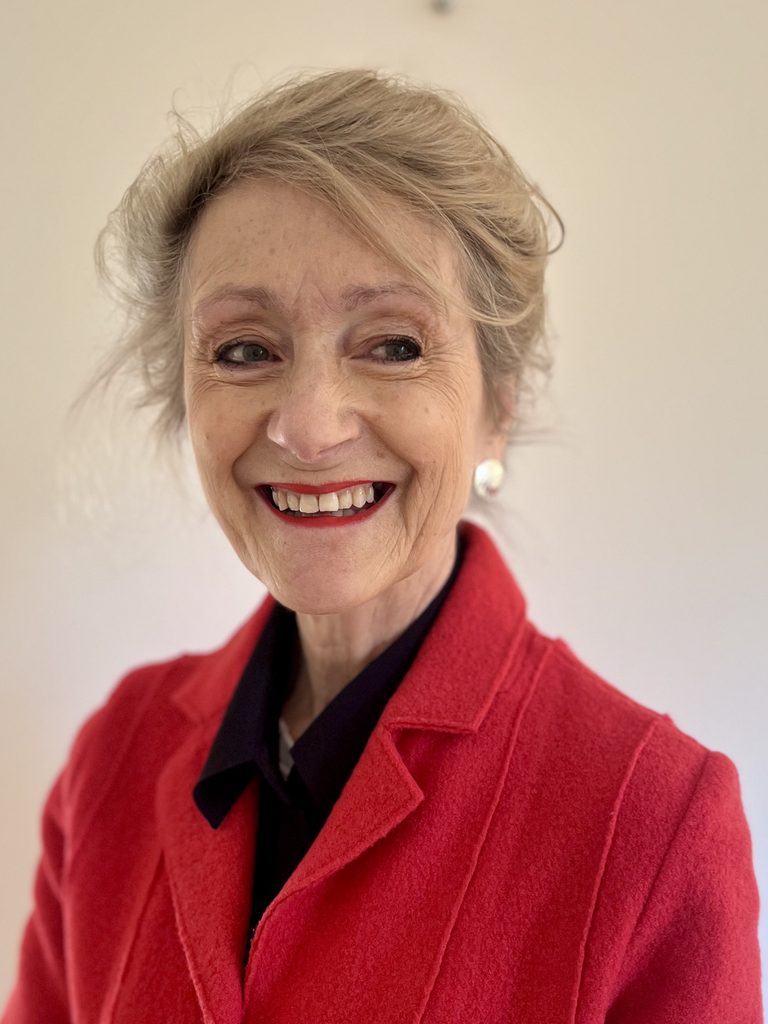
We invited Professor Teresa Cremin, Professor of Education (Literacy) and Co-Director of the Literacy and Social Justice Centre at The Open University, to share her insights on why developing reading skills and enjoying reading must go hand in hand. We greatly admire Teresa’s work and the Open University’s contribution to promoting and supporting children’s literacy and we have particularly welcomed the opportunities they provide to build networks and connections with others working towards similar goal
Children who choose to make time to read and write at home and who do so regularly, are self-evidently keen readers and/or writers. These motivated youngsters are likely to have a strong sense of their own self efficacy and positive identities as readers and/or writers. The research evidence is clear that these children will benefit – academically, socially and emotionally – from their self-chosen literacy engagement. Longitudinal studies from right around the globe indicate that childhood readers develop enhanced comprehension, wider attainment, richer vocabularies, better narrative writing and have stronger psychological wellbeing than their peers who do not yet have the habit of reading.
Less experienced readers – those who struggle to read or write and who don’t feel good about their literacy skills, are unlikely to spend their free time reading or writing. These children will find school challenging, learning difficult and may lack confidence as well as literacy competence. Disproportionately these less engaged learners come from underserved contexts and will not have experienced the same opportunities in life as their more advantaged peers. The need to address inequalities in children’s literacy experiences – openly and strategically – has never been more urgent and this is at the heart of the Children’s Literacy Charity which seeks to close the literacy gap for disadvantaged young people – thus changing their life chances.
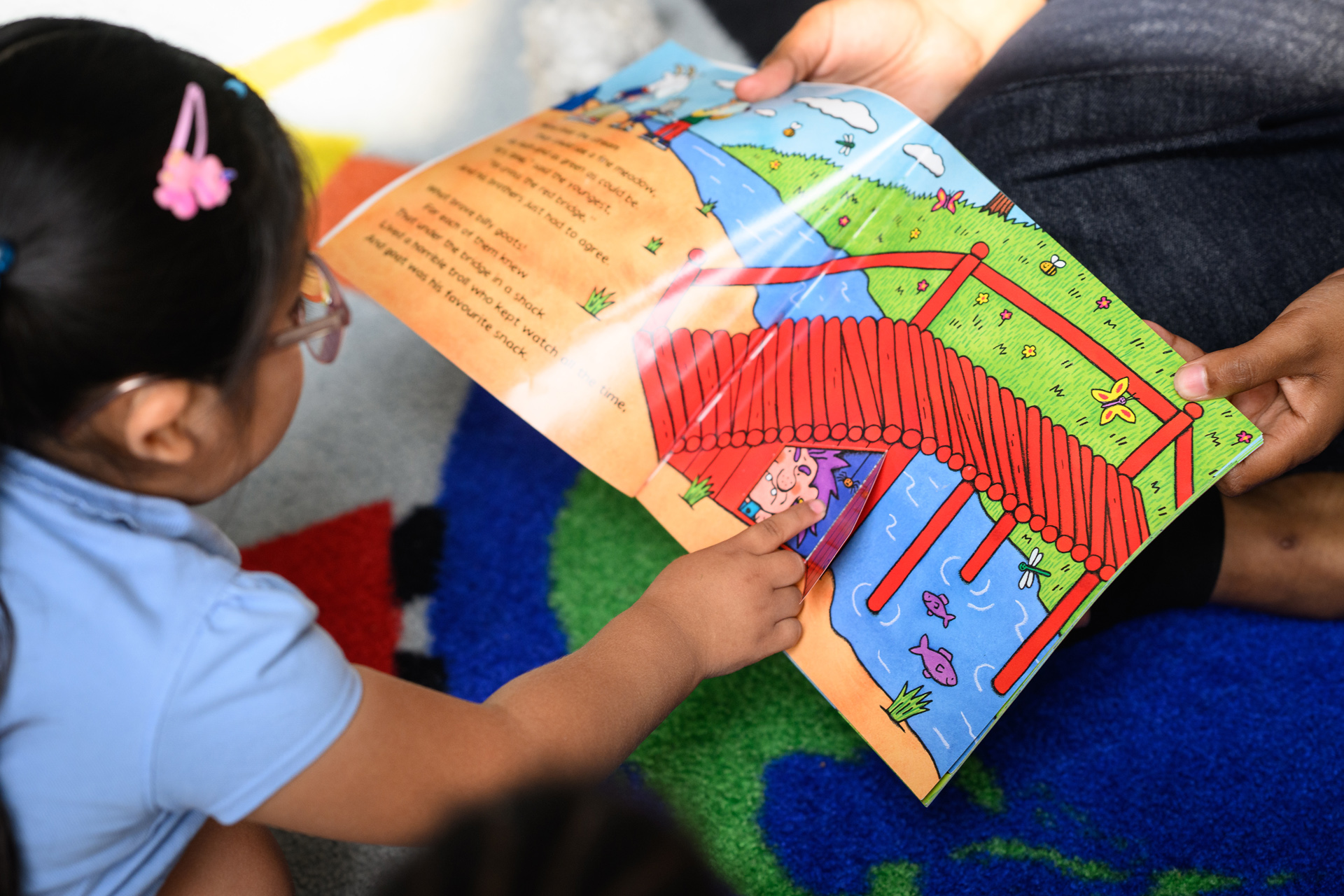
These children, and indeed all children, need focused support to develop both the skills of reading and writing and the will or desire to read and write. It is not an either-or situation, nor should we be waiting until children have developed their literacy skills before they are invited to experience the many satisfactions involved. As the Education Select Committee Inquiry into Reading for Pleasure clearly recognised, the skill and the will to read are mutually supportive; they enrich each other. So, nurturing both simultaneously is a matter of social justice and a key focus of The Open University’s Centre for Literacy and Social Justice which, through working with teachers, schools, charities, universities and policy makers, seeks to build systemic, collaborative capacity in order to redress inequalities for young readers and writers.
Through our reading for pleasure research and practice coalition, we work to create reciprocal and interactive reading communities in different contexts with children and adults. Our website is packed with resources and examples of professional practice that can inspire and engage, much of it created by the community for the community. Do feel free to explore!
Professor Teresa Cremin, CBE